Transparency Practices
We connect dedicated Kenyan smallholder cooperatives with ethically minded buyers through genuine operational transparency.
Transparent, Values‑Driven Partnerships
Our goal is to build three‑way relationships grounded in openness, shared curiosity, trust, and collaboration among partners who care about the same things. We discuss pricing openly so buyers have a clear understanding of what shapes our negotiations. If you prefer a three‑way contractual arrangement, one contract with us and another with the producer, to increase transparency, we’re happy to work that way too. We also share where we are on our sustainability journey, where we hope to be in the coming years, and what meaningful collaboration can look like as we work together to strengthen environmental stewardship and create verifiable social impact.
Traceability from plot to port
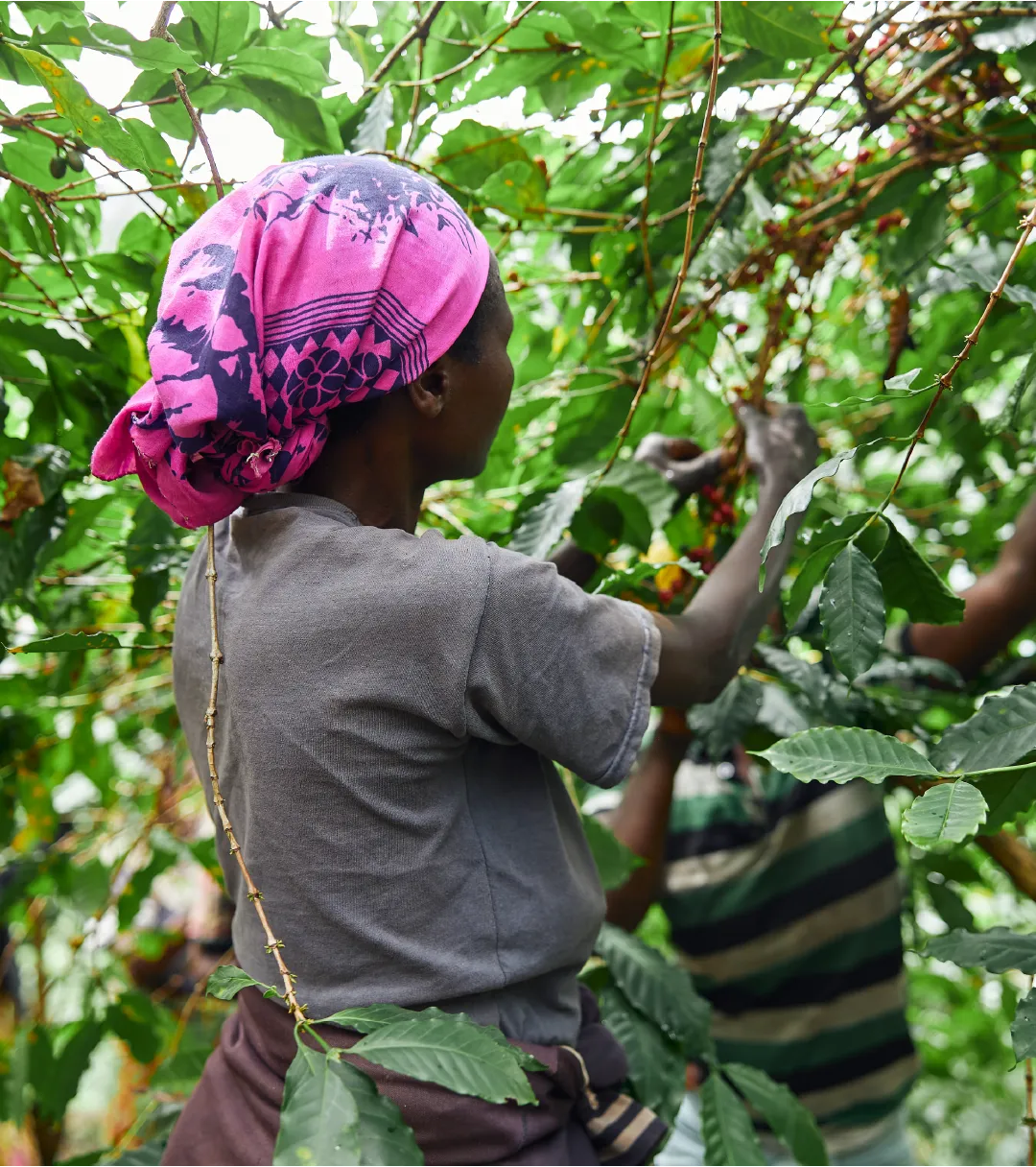
As part of our traceability policy, we carefully verify the membership of each smallholder cooperative so every coffee lot can be traced back to its exact geographical location and the washing station — known in Kenya as a “coffee factory” — where it was processed. These stations are built close to farming communities, allowing farmers to deliver freshly picked cherries within hours, preserving quality and freshness.
Agronomic data & End to End tracking
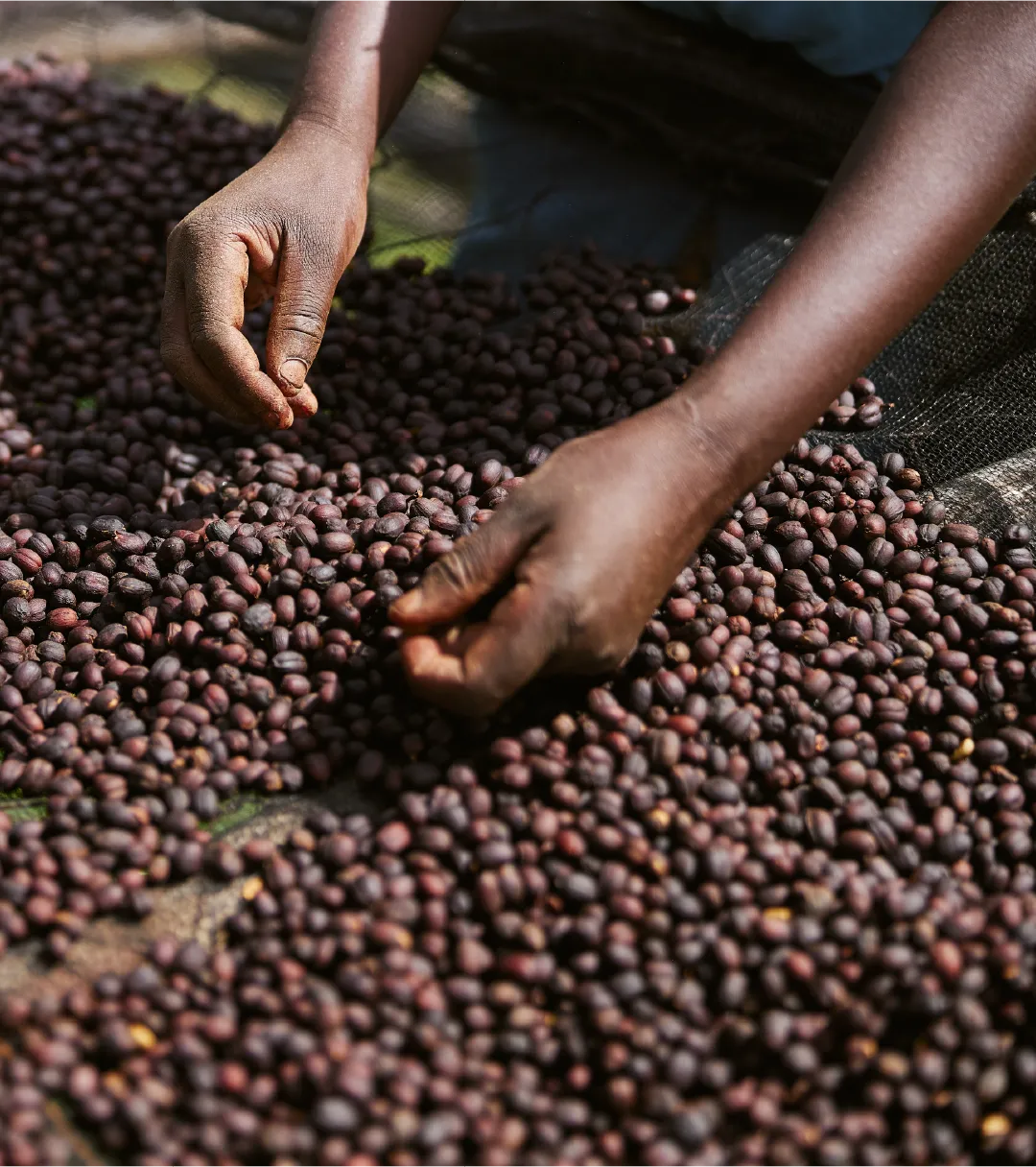
Each producer is assigned a unique member ID linked to their plot of land, including details such as coffee varieties, soil type, plot size, elevation, and the washing station used. This system ensures full traceability for every lot sold through a cooperative.
In practice, most green coffee from smallholder farmers in Kenya is sold under the name of their cooperative. Because cooperative membership is strictly organized and regulated, the cooperative or washing station listed on a bag of beans serves as a reliable reference point. Buyers can independently verify the exact origin, processing method, bean grades, and varieties included in each lot.
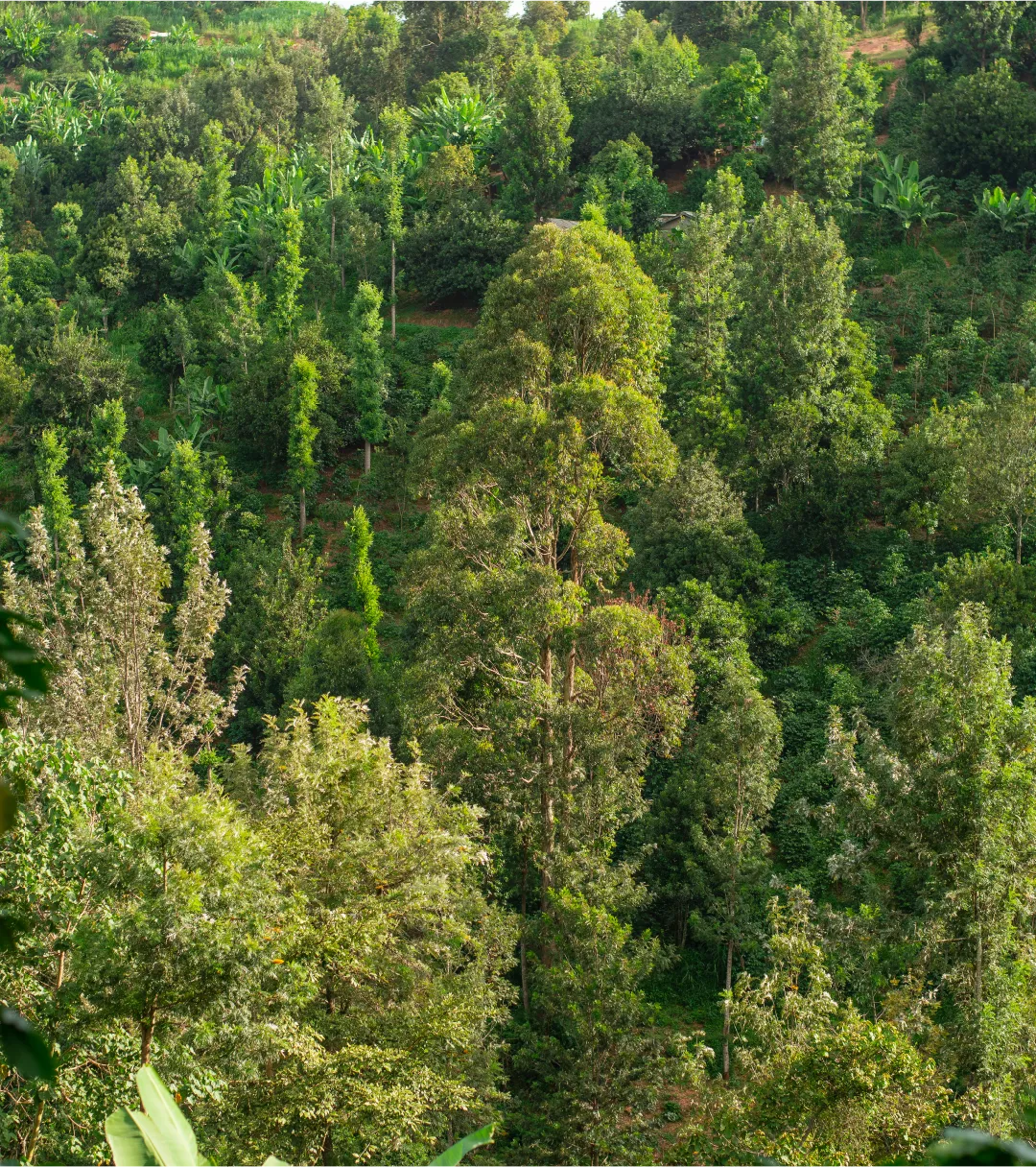
One of our producer farms with great tree cover in Kirinyaga
Towards Verifiable EUDR Compliance
Following the 2023 EU Deforestation‑Free Products Regulation, the Government of Kenya mapped all existing coffee plots nationwide. In 2026, the Ministry of Agriculture is coding this geolocation data to make it easy and reliable for exporters like us to access and for buyers to reference when making sourcing decisions. This will allow us to share accurate farm‑level information during order consultations, when processing confirmed orders, and when preparing packing lists before shipment. In the meantime, the EU has extended Kenya’s EUDR compliance window to 1 January 2027, allowing EU buyers to continue sourcing Kenyan coffee without compliance risks during this period.
As part of our transparency policy, we let EU buyers know that we currently do not include precise geolocation data with every order, information they need for EUDR verification, risk assessments, and due‑diligence statements. Once the government releases the coded geolocation data, we will share it during order consultations and include it, along with satellite‑imagery analysis, in each consignment’s packing list. This will allow advance and real‑time checks at the port of entry and confirm that your coffee meets EUDR deforestation‑free requirements, follows Kenyan law, is traceable to its exact origin, and aligns with sustainability and ethical‑sourcing expectations.
Get in touch
Let's talk coffee
Whether you’re a roastery exploring a new single‑origin program, a coffee shop looking for fully traceable microlots, or a buyer interested in sustainability collaboration, we’d be glad to hear from you.
Samples, Orders & B2B Inquiries
For lot enquiries, cupping samples, pricing enquiries and placing orders.
General Enquiries & Partnerships
For sustainability collaborations, field visits, press and all other enquiries.